
Pakistan Cricket Board Launches Probe into Mohammad Nawaz Drug Test Failure
Authored by pragmatic4de.com, 23/04/2026
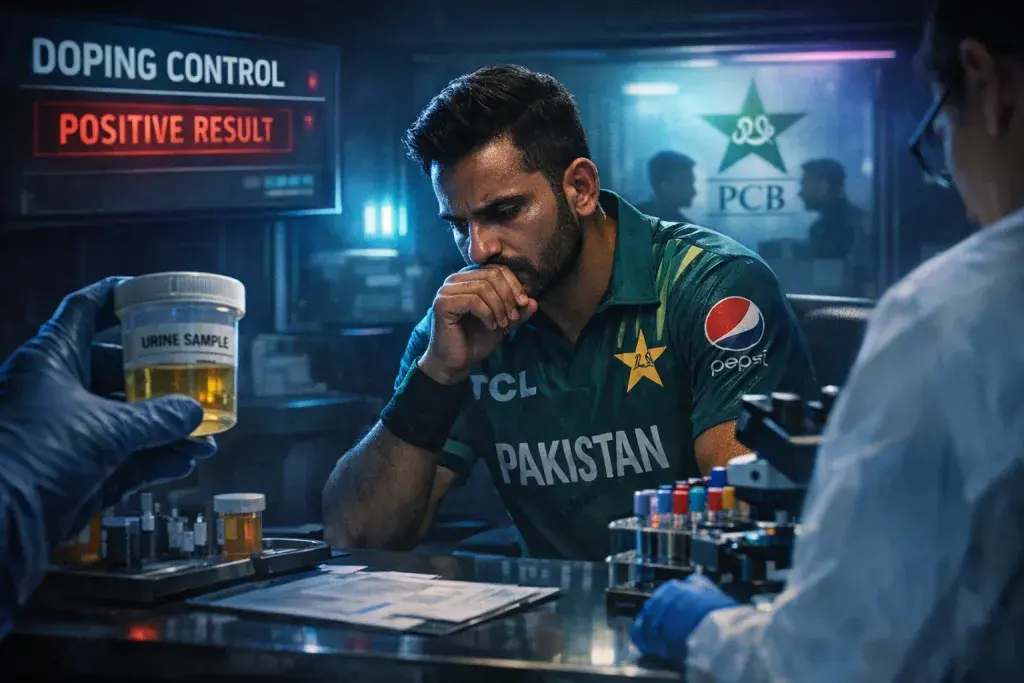
Mohammad Nawaz, a prominent figure in Pakistan's national cricket setup, has failed a routine drug test, prompting the Pakistan Cricket Board to initiate an investigation. This development places the all-rounder under scrutiny for a potential doping violation, with implications for his participation and career trajectory. The board's action underscores its commitment to upholding integrity amid recurring compliance issues.
Routine Testing Uncovers Violation
The incident stems from standard doping control measures enforced by the Pakistan Cricket Board on active personnel. Nawaz, as a regular participant, underwent the required screening, which detected a prohibited substance. Such tests align with international anti-doping protocols established by the World Anti-Doping Agency, designed to detect performance-enhancing drugs or other banned compounds through urine or blood analysis.
Scope of the Investigation
The board now faces the task of determining the nature of the substance involved and the circumstances of its use. Investigations typically involve laboratory confirmation, player interviews, and review of therapeutic use exemptions if applicable. Outcomes range from warnings for unintentional ingestion to suspensions, depending on intent, substance type, and prior record, as governed by strict codes that prioritize clean competition.
Broader Implications for Compliance
This case highlights persistent challenges in maintaining drug-free environments within high-profile national programs. Repeated probes signal systemic pressures, including potential lapses in education, monitoring, or external influences like unregulated supplements. For Nawaz, a guilty finding could lead to temporary exclusion or longer bans, reshaping professional paths and prompting wider discussions on prevention strategies.
Anti-Doping Standards in Context
Global frameworks emphasize zero tolerance, with prohibited lists updated annually to cover anabolic agents, stimulants, and diuretics. Violations not only risk individual penalties but also erode public trust and invite international sanctions. The board's response will test its resolve to enforce these standards rigorously, potentially influencing future testing regimes and support systems for those involved.