
Powerball Jackpot Climbs to $35 Million After April 8 Drawing Yields No Winner
Authored by pragmatic4de.com, 15/04/2026
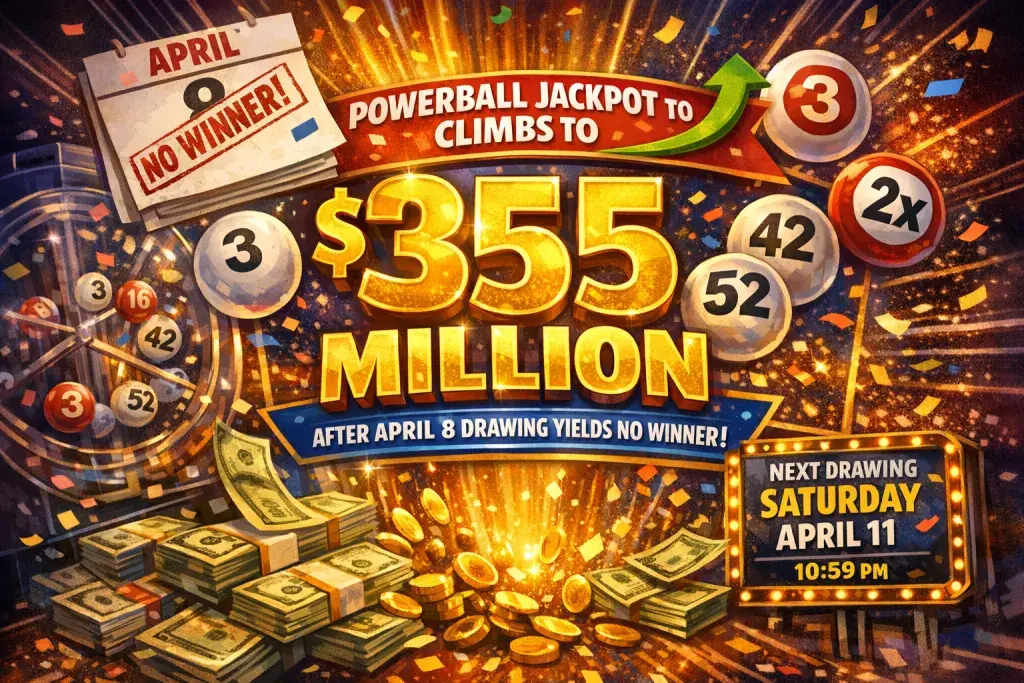
The Powerball jackpot has rolled over to an estimated $35 million following a winless draw on April 8, 2026, when no ticket matched all six numbers required to claim the $20 million top prize. The next opportunity arrives Saturday, April 11, with the drawing scheduled for 10:59 p.m. Eastern Time. With no second-tier winner recorded either, the full prize structure resets upward for the coming draw.
What the April 8 Drawing Produced
The numbers drawn on April 8 were 3, 16, 42, and 52, with a red Powerball of 03 and a Power Play multiplier of 2X. Neither the jackpot nor the $1 million second-tier prize — awarded for matching five white balls without the Powerball — found a recipient. Five tickets did match four white balls plus the Powerball, each earning $50,000. With the 2X Power Play applied, four of those tickets returned $150,000 apiece.
Further down the prize ladder, results were more active. Nearly 10,000 players matched three white balls without the Powerball for $7 each, while over 144,000 tickets matched the Powerball alone for $4. In total, hundreds of thousands of tickets returned some prize, but the structural reality of Powerball — where the odds of winning the jackpot sit at approximately 1 in 292 million — means rollovers are common and expected.
How the Prize Grows and What Winners Actually Receive
Each time the jackpot goes unclaimed, a portion of ticket sales from subsequent draws is added to the pool, compounding the advertised figure. The $35 million estimate reflects projected sales through the April 11 drawing date. That headline number, however, applies only to the annuity option: a payout distributed across 30 annual installments over 29 years.
Winners who prefer immediate access to their funds may select the lump-sum cash option, which typically amounts to roughly half the advertised jackpot before taxes. Federal tax withholding begins at 24 percent, though the effective rate for large prizes often rises higher depending on total annual income. State-level taxation varies considerably — California and Texas impose no additional state tax on lottery winnings, while other states apply rates that can meaningfully reduce the final amount received. Prospective winners should factor these deductions into any realistic assessment of the prize's actual value.
Who Is Eligible to Play and How Tickets Work
Powerball is available across 45 states, Washington D.C., Puerto Rico, and the U.S. Virgin Islands. United States citizenship is not a requirement — visitors present in eligible jurisdictions may legally purchase tickets. The minimum age is generally 18, though a small number of states set it higher. Each base play costs $2 and requires selecting five white ball numbers from 1 to 69 and one red Powerball number from 1 to 26.
For an additional $1, players may add the Power Play option, which multiplies any non-jackpot prize by a randomly drawn multiplier — ranging from 2X to 10X, with the 10X multiplier available only when the jackpot falls below a defined threshold. The second-tier $1 million prize becomes $2 million with Power Play active, regardless of the multiplier drawn. Tickets can be purchased at authorized retail locations; online availability depends on individual state regulations. Draws take place every Monday, Wednesday, and Saturday evening.
The Broader Context of Lottery Rollovers
Jackpots at the $35 million level sit well below the figures that generate broad public attention — Powerball has produced prizes exceeding $1 billion on multiple occasions — but they remain statistically significant sums that few individuals could generate through conventional financial means over a lifetime. The rollover mechanism is not incidental; it is by design. Lottery structures across the United States are engineered so that jackpots grow until claimed, generating increased ticket sales and public interest with each successive draw.
If no ticket claims the jackpot on April 11, the prize will continue accumulating toward the next scheduled draw on April 13. The cycle continues until a ticket matches all six numbers — an outcome that, given the odds, may take weeks or arrive on the very next draw. That fundamental uncertainty is precisely what sustains participation across tens of millions of tickets each drawing period.